The place where we live, work and move around plays an important role in our socio-economic development, and it directly or indirectly affects the overall evolution of our personal lives. Hence the environment in such places should always be positive and delightful.
The Indian Vastushastra is misinterpreted in many ways. Setting that aside, Indian architecture is a science based on the five elements of the Universe, which we can see and feel. These elements are the structural entity of the Universe:
Our country is full of diversity in climate, soil, weather and vegetation, and so in culture and lifestyle. Ancient Indian architecture considered these five elements while constructing its structures. Studying it, one easily finds different construction techniques and materials used for different climates and weather.
For example, central courtyards and verandas (open spaces) were planned for ventilation in houses in tropical regions. Thick stone walls were used for heat insulation. Natural, local stone was used as construction material: laterite in the Konkan and local materials across Rajasthan and many other parts of the country.
Wisdom carved in stone
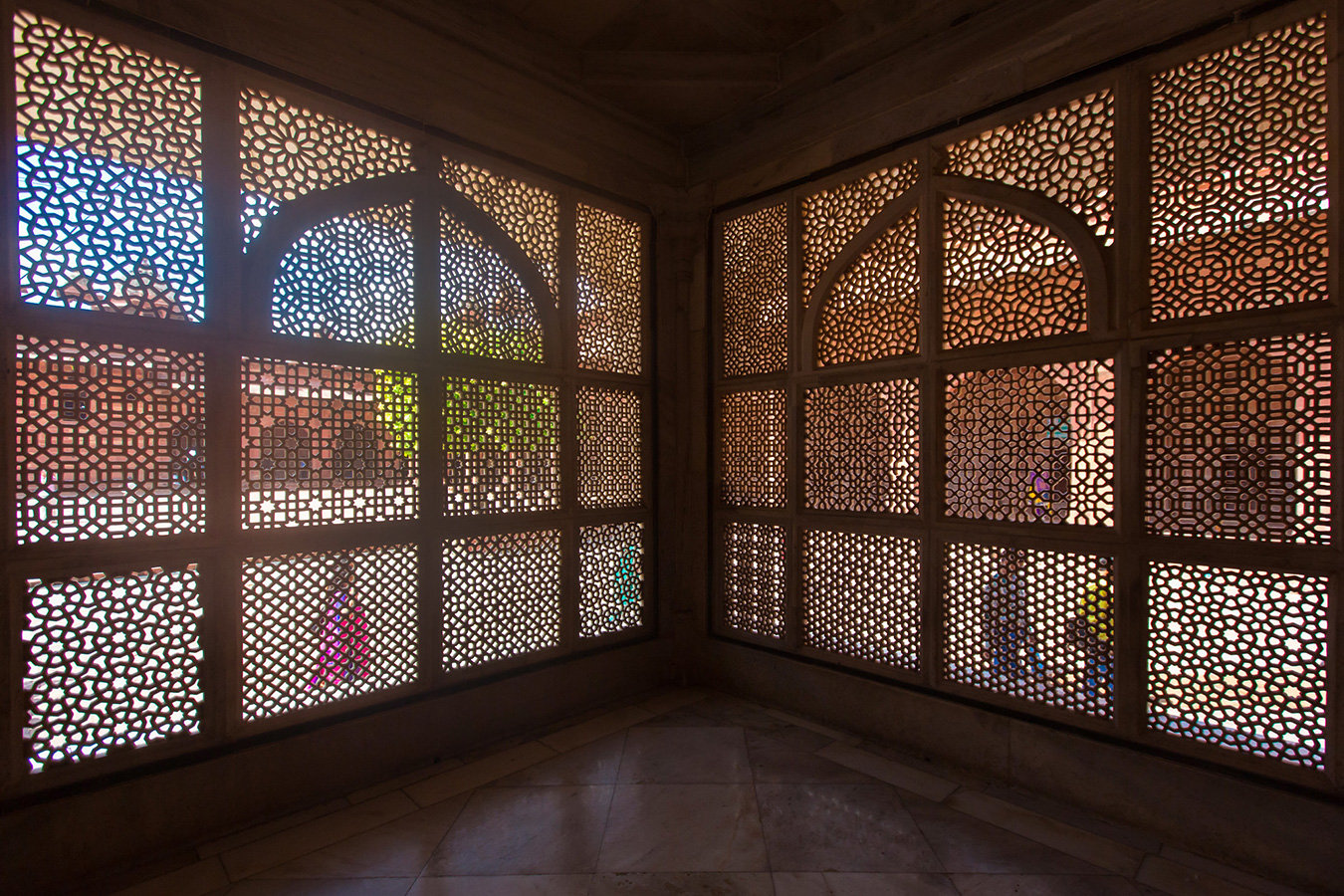
There are many examples showing that construction techniques were highly developed in ancient times too. Mirrors lit palaces, and jalis (grilles carved in natural stone) are the best example of a ventilation system that keeps temperatures low. Small perforations in a building are a smart way to cool it naturally in a hot and humid country like India (e.g. the Hawa Mahal in Jaipur).
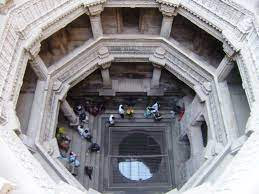
We feel pleasant in the stepwells of Gujarat and Rajasthan, which give a cooling effect without any artificial air-conditioning. The stepwell is a vernacular architectural style common in medieval India: a pool of water dug into the ground, or surrounded by walls, so the air is constantly cooled by water evaporating in an enclosed, shaded space. Similarly, high ceilings let hot air rise and escape through ventilators, creating a cooling effect automatically.
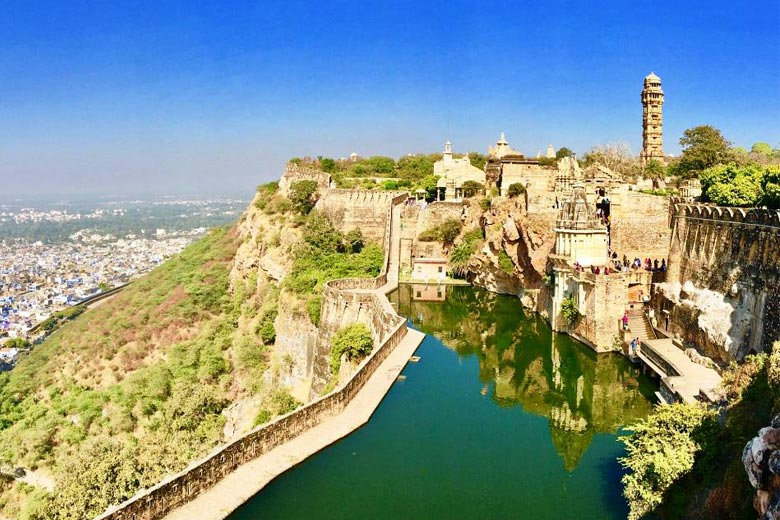
At old hill forts and water forts, one easily notices the source of drinking water. It is nothing but a rainwater harvesting system designed during the construction of these forts.
Old wisdom, new cities
Over time we lost many of these techniques, perhaps due to the British Raj, the population explosion and urbanisation, and we started adopting western construction techniques. Given today’s fast lifestyle, it isn’t advisable to reject western techniques. But for environmental sustainability, bringing old and new construction techniques together is the responsibility of architects and developers.
“A hot and humid sub-continent does not need glass buildings, which are better suited for cooler environments.”
Indian cities have erected buildings that go against their immediate surroundings. Urban planners and architects should take a lesson or two from Indian history to create cities and buildings that suit their environment and support sustainable living.
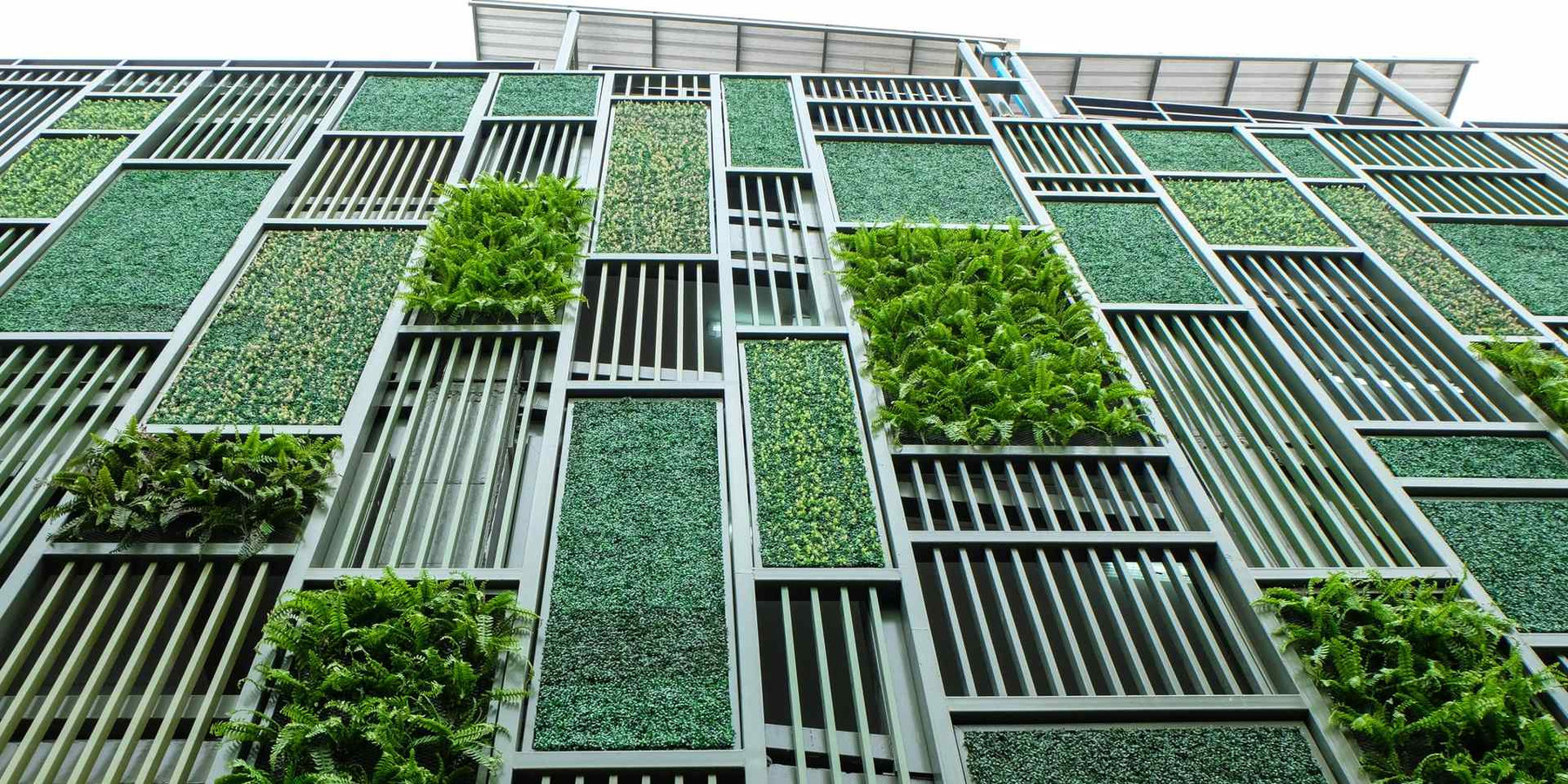
India has the Indian Green Building Council (IGBC), established in 2001. The council has developed guidelines for sustainable development, so that land development and construction projects reduce their impact on the environment and create energy-efficient, self-sufficient models. Buildings are rated against these guidelines. The CII-Godrej Green Business Centre in Hyderabad, built in 2003, was the first Platinum-rated building in India. Today there are thousands of certified green building projects, including hospitals, schools, commercial complexes, hotels and residential complexes.
Developers often advertise projects as “green” just for providing rainwater harvesting and solar heating. These are not the only criteria, only the basic ones. As environmental awareness grows, so do eco-friendly building techniques and materials, which play an important role in sustainable development.
When architects start thinking, it shows in the concept and the design. It finally rewards the environment with a building that complements its site and resources, and rewards the client with comfort and ease drawn mostly from nature.
Let this green revolution in architecture grow on and on in the concrete jungle.